From First Screwdriver to Thriving Repair Café

Ready to spark practical change on your street? This guide dives into launching and sustaining a neighborhood Repair Café in Germany, blending actionable checklists with real stories from volunteer makers, tips on venues, safety, insurance, funding, and communication, plus friendly invitations to join, subscribe, and share your own repair victories and questions.

Find Your People

Start with three to seven motivated neighbors and match strengths to roles: welcoming host, electronics generalist, sewing expert, bike whisperer, communicator, and treasurer. Over coffee, sketch goals and boundaries; Anna’s baking, Mehmet’s soldering, and your calm coordination can anchor momentum long before formal paperwork or tools appear.

Secure a Welcoming Venue

Visit the library, parish hall, or neighborhood center, and look for sturdy tables, good light, accessible toilets, and enough sockets on circuits with residual-current protection. Ask about storage, noise, fees, and keys. A recurring Saturday slot builds ritual, simplifies publicity, and reassures partners your initiative is dependable, inclusive, and careful.

Safety, Liability, and Peace of Mind

Everyone should leave smiling, not worried. Create a friendly intake desk with sign-in, item history, and consent; post house rules; and prepare basic first-aid. Consult insurers about public liability, consider volunteer accident coverage, and design workflows that prioritize watchful collaboration, documented tests, and respectful no-go decisions when a fix would be unsafe.

Tools, Workflows, and Materials That Help Fixes Happen

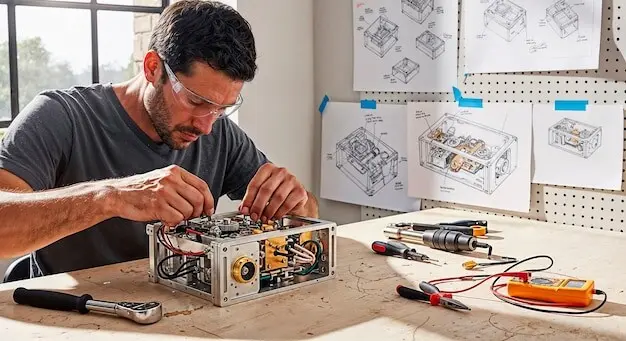
Thoughtful preparation turns chaos into calm creativity. Build modular toolkits, plan intake and triage, prepare printables, and label storage. Combine bright task lighting with magnification, safe power distribution, and cheerful signage. A smooth flow frees mentors to teach, visitors to participate, and repairs to succeed or fail safely and transparently.

Build Smart Toolkits

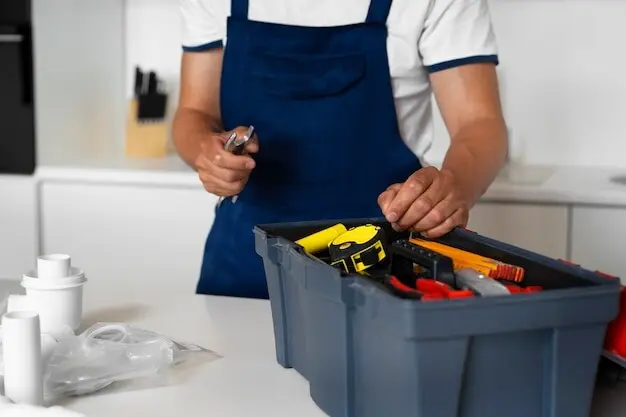
Assemble screwdrivers including Torx and security bits, precision pliers, spudgers, magnifiers, a quality multimeter, soldering irons with fume extraction, hot air, heat-shrink, sewing machines, bike stands, lubricants, and cleaning supplies. Add ESD protection for electronics and cable reels with RCDs, plus cheerful aprons that signal friendliness, patience, and shared purpose.

Intake and Triage Flow

Begin at a welcome desk where guests describe faults, plugs are inspected, and risks assessed. Use color-coded cards for stations, simple timers to prevent monopolization, and photo documentation with consent. A closing checklist ensures tools return home, bins are emptied responsibly, and everyone leaves thanked, invited back, and smiling.

Funding, Partnerships, and Steady Growth

Lasting impact thrives on modest, predictable support. Mix a donations jar with transparent budgeting, small municipal grants, and kind sponsors like hardware stores, cafés, or housing cooperatives. Celebrate partners publicly, publish summaries, and keep money simple, auditable, and mission-aligned so gratitude, not stress, leads every conversation and planning meeting.

Communication That Brings People In

A humble name, warm logo, and consistent calendar help neighbors remember and trust you. Combine posters in bakeries with Instagram reels, a simple website, and listings in the city bulletin. Share tips, ask questions, celebrate attempts, and invite sign-ups, replies, and newsletter subscriptions that keep curiosity alive between events.

Tell Stories, Not Stats

Publish short, kind narratives: the grandmother’s radio that now plays Sunday jazz, the beaming teenager who learned Torx sizes, the volunteer who discovered patience through stuck screws. Use consent forms, credit photographers, caption with gratitude, and link repair guides so readers feel welcome to try, fail, laugh, and return.

Make It Easy to Join

Offer a clear calendar with pre-registration options for busy days, a simple FAQ, and a gentle welcome email. Use double opt-in for newsletters to respect GDPR, and physical QR codes in venues. Translate key posts, ensure accessibility, and spotlight newcomer questions that reassure hesitant guests they truly belong.

Measuring Impact and Staying Motivated

Momentum grows when you see and share progress. Track items attempted, saved, and redirected; estimate CO2 avoided; and log skills learned. Hold brief retrospectives, rotate roles, and schedule breaks. Celebrate failures kindly, because honest learning keeps volunteers energized and neighbors brave enough to try again next month.

Simple Data, Honest Insights

Collect the make, age, and outcome for each item, plus reasons for no-fix decisions. Summarize monthly, pair numbers with human quotes, and compare trends gently. Data is a lantern, not a whip, illuminating opportunities to teach safer habits, purchase better tools, and adjust session flow thoughtfully.

Care for the Crew

Prevent burnout with a rotating roster, clear closing times, and shared snacks. Offer micro-trainings, active listening, and quiet corners. Name and celebrate helpers publicly. When conflicts arise, slow down, assume good intent, and rebuild agreements so kindness, not cleverness, remains your most powerful repair method.

Continuity and Succession

Write down roles, create a shared drive, and keep a laminated checklist in the toolbox. Train backups for keys and social media, and invite new facilitators to shadow. Annual handovers protect momentum, reduce gatekeeping, and prove your café belongs to the neighborhood, not a handful of heroes.
Mirapalotunonovi
Privacy Overview

This website uses cookies so that we can provide you with the best user experience possible. Cookie information is stored in your browser and performs functions such as recognising you when you return to our website and helping our team to understand which sections of the website you find most interesting and useful.