Confidently Run Volunteer Repair Events in Germany
Today we dive into funding, insurance, and legal considerations for volunteer repair events in Germany, turning complex regulations into friendly guidance you can actually use. Expect practical examples, safety stories, and resource links you can adapt to your neighborhood, so your next gathering feels well-financed, insured, compliant, and joyfully focused on fixing, learning, and building community resilience together.

Finding the Money Without Losing the Mission
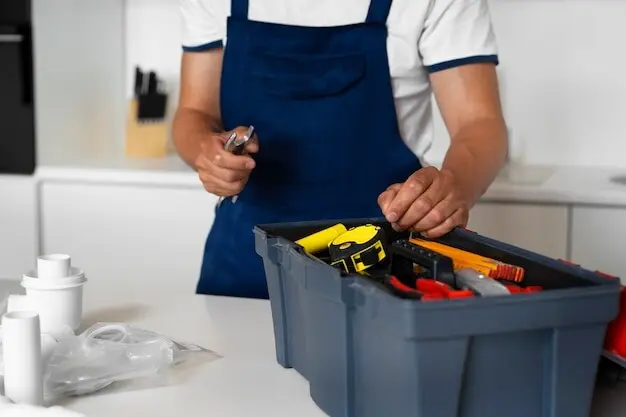
Reliable funding lets you buy safe tools, insure volunteers, train hosts, and welcome neighbors without stress. We explore public grants, microfunding, sponsorships, and donations that align with waste prevention, education, and social cohesion goals—common priorities for German funders—while keeping your independence, transparency, and community-centered spirit strong and visible to everyone who walks through the door.
Essential Line Items You Should Not Skip
Plan for venue fees, event liability insurance, volunteer accident coverage, signage, PPE, first aid, and electrical safety testing devices compliant with national standards. Add consumables, spare parts starter kits, refreshments, and printing for consent forms. Budget small but steady training funds to keep facilitators current, confident, and ready to guide newcomers through safe diagnostics and respectful collaboration.
In‑Kind Support That Multiplies Your Euros
Libraries, schools, and makerspaces can provide venues, tables, and electricity. Tool libraries may lend torque drivers, multimeters, or soldering stations. A sponsor might underwrite coffee or liability premiums. Formalize arrangements with short, friendly letters describing responsibilities and insurance expectations. Thank contributors publicly, share impact metrics, and invite them to co-host themed sessions that spotlight their expertise and generosity.
Event Liability That Protects Hosts and Venues

An event liability policy helps cover property damage and certain injuries involving participants or bystanders. Show your insurer risk-reduction practices: intake triage, no solo work on high-voltage items, PPE availability, a clear stop rule, and supervision of newcomers. Ask about coverage boundaries for borrowed venues, and confirm any deductibles. Document incidents promptly, even when outcomes seem harmless.
Volunteer Accident Cover That Cares for People
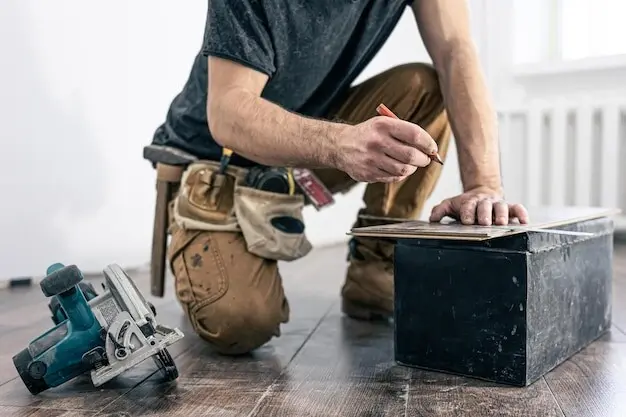
Volunteers deserve protection if they get hurt while helping. Explore accident insurance options designed for civic engagement and verify what counts as covered activity, from setup to teardown. Provide a short safety briefing, gloves, and goggles, record attendance, and appoint a first aider. Share insurer contact steps in your handbook, and run occasional practice drills to reduce panic during surprises.
Product Liability and Realistic Boundaries

When a device leaves the table, responsibility questions arise. Avoid warranties or guarantees. Use clear intake forms stating that repairs are collaborative experiments, and that volunteers are helpers, not service providers. Never attempt risky fixes beyond competence. Emphasize testing, especially for mains-powered devices, and provide written reminders to retest at home. Prudence plus documentation help limit disputes and misunderstandings.
Organizer Structure and Donation Receipts
Consider forming a registered association to separate personal and organizational responsibilities and to potentially qualify for public-benefit recognition that allows donation receipts. Maintain statutes, membership records, and board minutes. Keep activities aligned with stated purposes like environmental education and community engagement. Even without formal status, act transparently, publish summaries, and safeguard funds with dual controls and clear reimbursement rules.
Participant Agreements and Safety Disclaimers
Use a friendly intake form explaining collaborative repair, risks, and participant responsibilities. State that volunteers act with care but offer no guarantees, and that unsafe items may be refused. Invite questions before work begins. Do not attempt to waive responsibility for intentional or grossly negligent actions. Provide an incident form and a quiet corner for conversations when something feels uncertain.
Electrical Safety and Competence Boundaries
Define clearly who may open mains-powered devices, require appropriate testing after reassembly, and label anything untestable as not ready for use. Keep isolation transformers and residual-current protection where appropriate. Respect tool limits, stop when unsure, and document every high-risk decision. Encourage skills mentorships, but never pressure novices into tasks they cannot safely perform under calm, supportive supervision and pacing.

Venues, Equipment, and Safer Setups
Thoughtful logistics reduce risk before the first screw turns. Choose venues with good lighting, grounded outlets, and space for calm diagnostics. Map traffic flow, separate soldering from kids’ corners, and secure cables. Provide multilingual signage, hydration, and breaks. A welcoming, orderly room reassures participants, impresses funders, and supports mindful decisions when delicate electronics or stressed neighbors need extra patience.
Waste, Parts, and Environmental Responsibility

Responsible Disposal and Take‑Back Partners
Coordinate with municipal recycling centers for electronics and battery returns. Provide labeled bins for metals, plastics, and e-waste. When devices cannot be safely repaired, document why, remove reusable parts, and ensure owners understand options. Share a resource sheet with local drop-off locations and operating hours to make correct next steps easy, respectful, and genuinely achievable.
Sourcing Spare Parts Without Wasteful Overbuying
Start with community parts libraries, donor devices, and careful shopping lists. Favor modularity and common sizes. Create a shared catalog of compatible screws, caps, belts, and fuses used frequently. Invite participants to contribute components from retired items. Keep receipts and links for future orders, and track which parts actually solve problems, trimming dead stock compassionately and transparently.
Turning Data Into Environmental Storytelling
Estimate kilograms diverted, extended lifespans, and avoided purchases. Translate wins into relatable comparisons, like laptops rescued equaling a classroom equipped for another semester. Celebrate co-repair moments where confidence blossomed. Send a quarterly impact note to supporters, inviting feedback and project ideas. Data becomes community pride when it helps neighbors see themselves building a fairer, lighter footprint together.
People, Culture, and Lasting Engagement
Funding and rules are scaffolding; people are the heart. Welcome first-timers, celebrate curiosity, and respect boundaries. Rotate roles to prevent burnout and make space for emerging leaders. Share delightful stories, not perfection myths. Invite subscribers, sponsors, and skeptics to visit, question, and learn. Repair becomes contagious when hosted with kindness, transparency, and sturdy, well-practiced care for each other.





All Rights Reserved.