Fixing Forward: How EU and German Right-to-Repair Power Community Repair Cafes
Today we dive into EU and German Right‑to‑Repair policies and their effects on community repair cafes, exploring how new obligations around spare parts, service information, and repair-first remedies can transform Saturday sessions, empower volunteers, and invite neighbors to bring beloved devices back to life while building confidence, skills, and a culture of practical, joyful resilience.
From Directive to Workbench: What the Rules Actually Say
The Right‑to‑Repair Directive adopted at EU level in 2024, together with updated ecodesign rules and existing consumer law, pushes repair ahead of replacement and opens access to parts, tools, and information. Germany’s transposition and complementary initiatives shape how these promises land on the tables of local volunteers and the devices they welcome.
EU-wide obligations in plain language
When a product is repairable, sellers must prioritize fixing during and after the legal guarantee, while independent repairers gain access to parts, tools, and documentation on fair terms. A standardized Repair Information Form clarifies price ranges and timelines, and an EU online platform helps citizens find skilled repairers nearby, strengthening confidence before anyone loosens a single screw.
German momentum and practical incentives
Germany’s implementation builds on federal and regional experiments, including voucher pilots like the Thuringia Reparaturbonus and city-level reuse programs that seeded habits before national rules matured. As ministries align enforcement with EU requirements, cafes can expect clearer procurement channels, fewer gatekept manuals, and growing municipal partnerships eager to showcase repair as a credible, measurable climate action.
What products come first
Initial gains are strongest where ecodesign already mandates spare parts and documentation, such as washing machines, dishwashers, refrigerators, and increasingly smartphones and tablets. Laptops and small appliances follow as standards and obligations expand. For volunteers, this staged rollout means better odds with common household gear, while trickier categories still benefit from visibility, advocacy, and shared diagnostic practice.

Access Unlocked: Parts, Manuals, and Diagnostic Barriers Coming Down
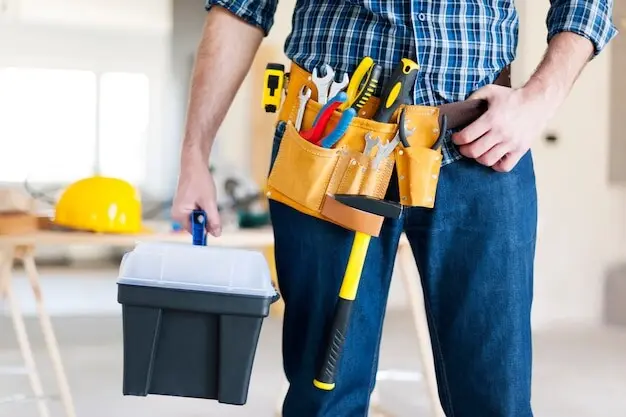
Right‑to‑Repair removes bottlenecks that long frustrated community efforts: missing part numbers, vanishing service bulletins, and proprietary tools that stopped learning in its tracks. As availability improves, cafes can plan confidently, stock essentials, and teach repeatable techniques, turning occasional lucky saves into reliable workflows that welcome newcomers and keep cherished items useful far beyond marketing expectations.
Life Inside a Repair Cafe After the Policy Shift
Saturday mornings feel different when success is expected, not accidental. In Berlin‑Neukölln, volunteers describe a turning point: people bring phones, mixers, lamps, and laptops knowing parts exist and repairs are considered normal again. Conversations shift from resignation to curiosity, and returning guests bring pastries—and neighbors—with stories of devices saved and skills newly learned.
Intake and triage feel different
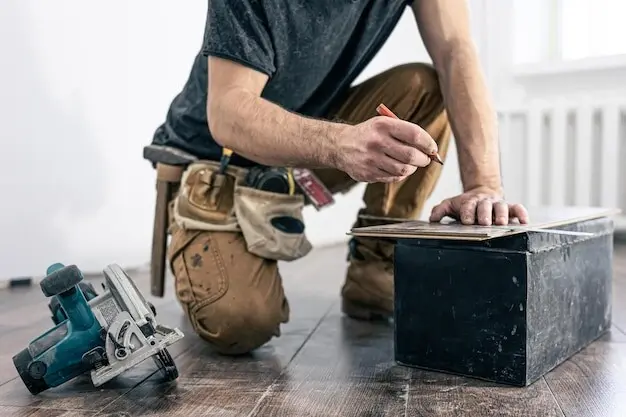
With standardized forms and clearer rights, intake can estimate costs, timelines, and likelihoods before disassembly. Guests appreciate honest boundaries, like avoiding sealed batteries without proper fire safety. Volunteers record model numbers, firmware versions, and symptoms systematically, then match them against checklists built from manuals, shared logs, and prior sessions, turning intuition into teachable, repeatable craft.

New conversations at the welcome table
Instead of apologizing for trying, guests now arrive expecting repair to be considered, priced, and achievable. Hosts can explain spare‑part lead times, data privacy steps, and second‑chance policies that allow for staged fixes. The cultural shift matters: people who felt excluded from technology see themselves invited back in through patience, translation, and tools they can actually touch.
Environmental Wins You Can Measure
A shared spreadsheet or lightweight app can log device type, estimated age, replaced components, and added lifetime. Pair with conservative CO2e factors from public sources to avoid overclaiming, and publish quarterly snapshots. Invite guests to subscribe for updates, celebrate collective milestones, and contribute photos, turning impact reporting into a cheerful ritual rather than administrative overhead.
A repaired lamp on a grandparents’ table or a resurrected laptop enabling homework creates emotional gravity that spreadsheets cannot match. Capture short quotes, before‑and‑after pictures, and repair steps. Share them in newsletters and local press, with consent, to humanize policy wins and invite schools, librarians, and housing cooperatives to host pop‑up sessions where trust already lives.
As parts access improves, cafes can trade surplus screws, chargers, and donor boards with partner groups, reducing shipping and waste. Municipal reuse centers and libraries of things can host bins for sorted spares, while maker spaces provide specialty tools. Together, these loops keep value nearby, lowering costs and making repeat successes a predictable community routine.
Money, Models, and Momentum
Reliable pathways now exist to cover rent, consumables, and tool upkeep without compromising independence. Small municipal grants, corporate donations with clear firewalls, and modest guest contributions can coexist. Policies that normalize repair also normalize support, letting organizers plan training, outreach, and data collection that strengthens the case for long‑term venues and fair volunteer care.



Advocacy, Feedback, and Staying Current
Laws evolve, and lived experience at community benches is precious evidence. Collect respectful data, anonymize photos, and share quarterly memos with local officials. Host open evenings for policymakers, journalists, and teachers. Join European mailing lists, compare notes across cities, and keep explaining—in human stories—why access to parts and information turns hope into habits.

Practical policy engagement
Respond to consultations with one‑page briefs that pair three device stories with two measurable outcomes and one bottleneck needing change. Invite MEPs, council members, and consumer protection officers to observe a session. Offer to pilot standardized forms or signage. Concrete, cheerful collaboration travels faster in government buildings than angry abstractions, especially when neighbors tag along.

A lightweight compliance checklist
Post guest rights near intake, store signed consent for data handling, and clearly mark unsafe device categories. Keep SDS sheets, fire blankets, and battery buckets accessible. Record serials, replaced parts, and final tests. Back up logs monthly. These simple habits prove diligence, ease insurer conversations, and make volunteer handovers painless when life inevitably gets busy.
Keep learning alive
Organize quarterly workshops on lithium safety, microsoldering, and safe adhesive removal. Share favorite manuals, teardown links, and diagnostic flowcharts in a living library. Coordinate with iFixit‑style communities, Open Repair partners, and local universities. Encourage sign‑ups for newsletters and messaging groups so breakthroughs, recalls, and policy updates reach benches before they become Saturday surprises.

All Rights Reserved.